
PCB Plating Voids: 5 Things to Know
PCB plating voids refer to areas within the copper-plated layers of a PCB (Printed Circuit Board) where there is an absence or incomplete coverage of the copper plating. These voids can occur during the PCB manufacturing process and can have a detrimental impact on the…

Cold Solder Joints: Causes and Effects
Cold solder joints are a common issue in electronics manufacturing and repair. They occur when the solder joint doesn’t properly bond with the components or the printed circuit board (PCB), resulting in a weak and unreliable connection. Here are the causes and effects of cold…

Q: What are PCB Solder Bridges
A: PCB Solder bridges, also known as solder shorts or solder blobs, are unintended electrical connections created by excess solder material that connects two or more adjacent conductive elements on a printed circuit board (PCB) or electronic component. These connections can cause electrical problems and…

Q: What is Solder Paste Slump
A: Solder paste slump refers to the tendency of solder paste to change in consistency and flow characteristics over time, particularly during storage or during the soldering process. Solder paste is a critical material used in surface-mount technology (SMT) for attaching electronic components to printed…

PCB Design Rule Checking (DRC): 8 Aspects
PCB Design Rule Checking (DRC) for Printed Circuit Boards is critical in the design and manufacturing process. It involves the automated verification of a PCB design against predefined rules and constraints to ensure that the design meets the required specifications and can be manufactured correctly….

PCB Substrate Delamination: Causes
PCB substrate delamination of a printed circuit board occurs when the layers of the board separate or peel apart from each other. This can be a significant issue in electronic manufacturing and can result from various factors, including: PCB substrate delamination prevention requires following proper…

Stop Solder Dewetting: Causes and Prevention
Solder dewetting is a common issue in soldering processes, particularly in electronics manufacturing, where solder joints lose their integrity and wetting ability, leading to a reduction in solder adhesion to the surfaces being soldered. This can result in poor electrical connections, reduced mechanical strength, and…

ANZER… Trusted Electronic Services Partner
Once upon a time, in the bustling city of Siliconville, there was a young and ambitious engineer named Sparky. Sparky had a dream and a vision to create revolutionary electronic devices to change the world. But to bring this vision to life, he needed a…

Q: In-Circuit Test (ICT): Why so Important
A: In-circuit test (ICT) is a widely used electronic testing method in the manufacturing and quality control of printed circuit boards (PCBs) and electronic assemblies. ICT is designed to identify defects and verify the functionality of individual components and connections on a PCB while it…

What about PCB Solder Flux Residue
PCB solder flux residue refers to the leftover material that remains on the surface after soldering. Solder flux is a chemical substance used in soldering processes to improve the quality and reliability of solder joints. Let’s start with the purposes of solder flux: There are…

Q: What is Mid-Chip Solder Balling
A: Mid-chip solder balling is a phenomenon that can occur during the soldering process in electronic assembly, particularly in surface mount technology (SMT) soldering. It refers to forming small, spherical solder balls or droplets that appear near the center of a solder joint on a…

PCB Assembly: Key Performance Indicators
Key Performance Indicators (KPIs) are quantitative or qualitative metrics used to assess the performance and effectiveness of various processes within electronics assembly. These KPIs help organizations track their progress, identify areas for improvement, and make informed decisions. In electronics assembly, some common Key Performance Indicators…

Electronics Assembly Inventory Tracking
Electronics assembly inventory tracking systems are software or technology solutions designed to manage and monitor the inventory of electronic components and materials used to assemble electronic devices. These systems play a crucial role in ensuring efficient production processes, preventing shortages, minimizing excess stock, and maintaining…

Corrective Action in PCB Assembly: A Practical 8-Step Process
Corrective action in PCB assembly is the documented process used to eliminate the cause of a confirmed nonconformance and prevent it from recurring. It is not the same as sorting, reworking, repairing, or replacing affected boards. Those activities correct the product. A complete corrective action…
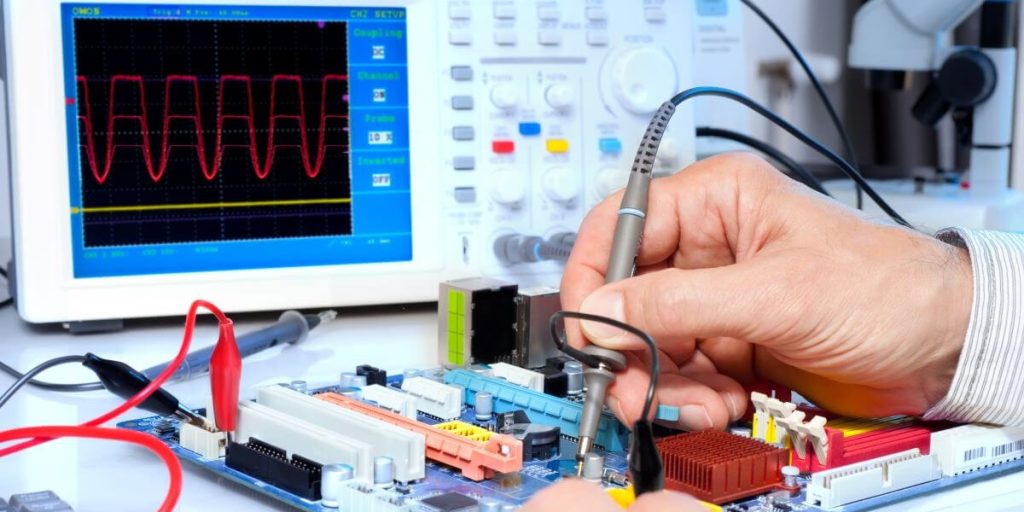
Electronic Assembly Root Cause Analysis: How OEMs Find and Prevent PCB Assembly Defects
Electronic assembly root cause analysis is the process of finding the real reason a PCB assembly defect happened, not just repairing the visible symptom. For OEMs, that matters because a solder bridge, intermittent connection, component shift, or functional test failure can point to deeper issues…

What Is a Certified IPC Application Specialist? IPC CIS Explained
What Is a Certified IPC Application Specialist? A Certified IPC Application Specialist, commonly abbreviated CIS, is an individual trained and certified to apply IPC standards in real electronics manufacturing work. In practical terms, that means the person understands how to use IPC criteria when inspecting…

Electronic Manufacturing Industry & ITAR
The International Traffic in Arms Regulations (ITAR) is a set of United States government regulations that control the export and import of defense-related articles, services, and technical data. ITAR primarily concerns items and information related to defense and military technology. The U.S. Department of State…

MIL-STD-202: Reliability & Durability Testing
MIL-STD-202 is a United States Military Standard that outlines test methods and procedures for the environmental and mechanical testing of electronic and electrical components and equipment. This standard aims to establish uniform test methods to evaluate the performance and reliability of these components and equipment…

Purpose of PCB Vibration Testing
PCB vibration testing, also known as Printed Circuit Board vibration testing, is a process used to assess the durability, reliability, and performance of electronic components mounted on a PCB (Printed Circuit Board) when subjected to various mechanical vibration levels. This type of testing is especially…

Electronic Manufacturing Equipment Calibration Importance
Manufacturing equipment calibration is a process used to ensure that measurement and testing instruments used in manufacturing processes are accurate and provide reliable results. Calibration involves comparing the measurements taken by a particular instrument to a known, standardized reference value. If any discrepancies are found,…