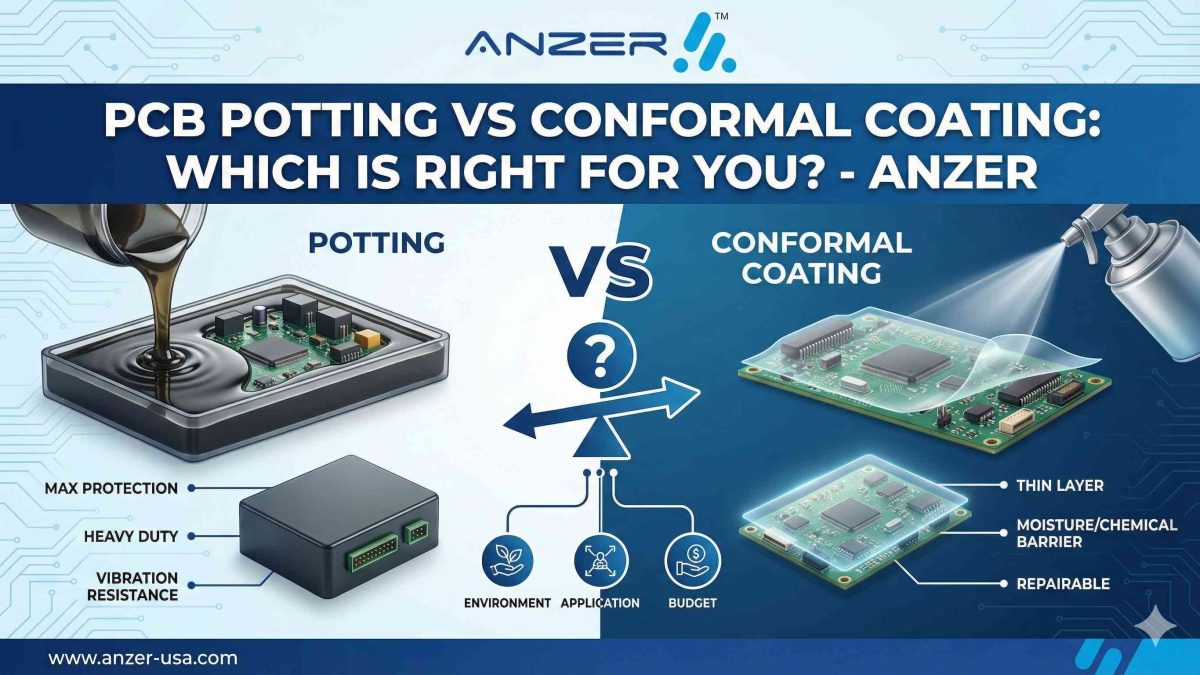
PCB Potting vs Conformal Coating: Which Is Right for You? – Anzer
Every printed circuit board is at the core of a device because it holds many important electronic components. These need to be safe and need to work for a long time. You have to keep them away from things that harm them or make them stop working. There are two main ways to do this: pcb potting and conformal coating. Knowing how these two methods are different will help you pick the best one for your circuit board. That way, your electronic components will stay safe from damage and tough environmental conditions, and your devices will work well for years.
Table of Contents
Key Highlights
- PCB potting involves encasing a circuit board in a thick, protective material, making it ideal for harsh conditions.
- Conformal coating applies a thin, protective layer that conforms to the board’s shape, perfect for lightweight electronic devices.
- The choice between them depends on environmental factors like moisture, chemicals, and extreme temperatures.
- Potting offers a superior level of protection against physical shock and high abrasion.
- Conformal coating is better for applications with tight space and weight restrictions.
- Repairing potted devices is difficult, while coated boards are easier to rework.
Understanding PCB Potting and Conformal Coating
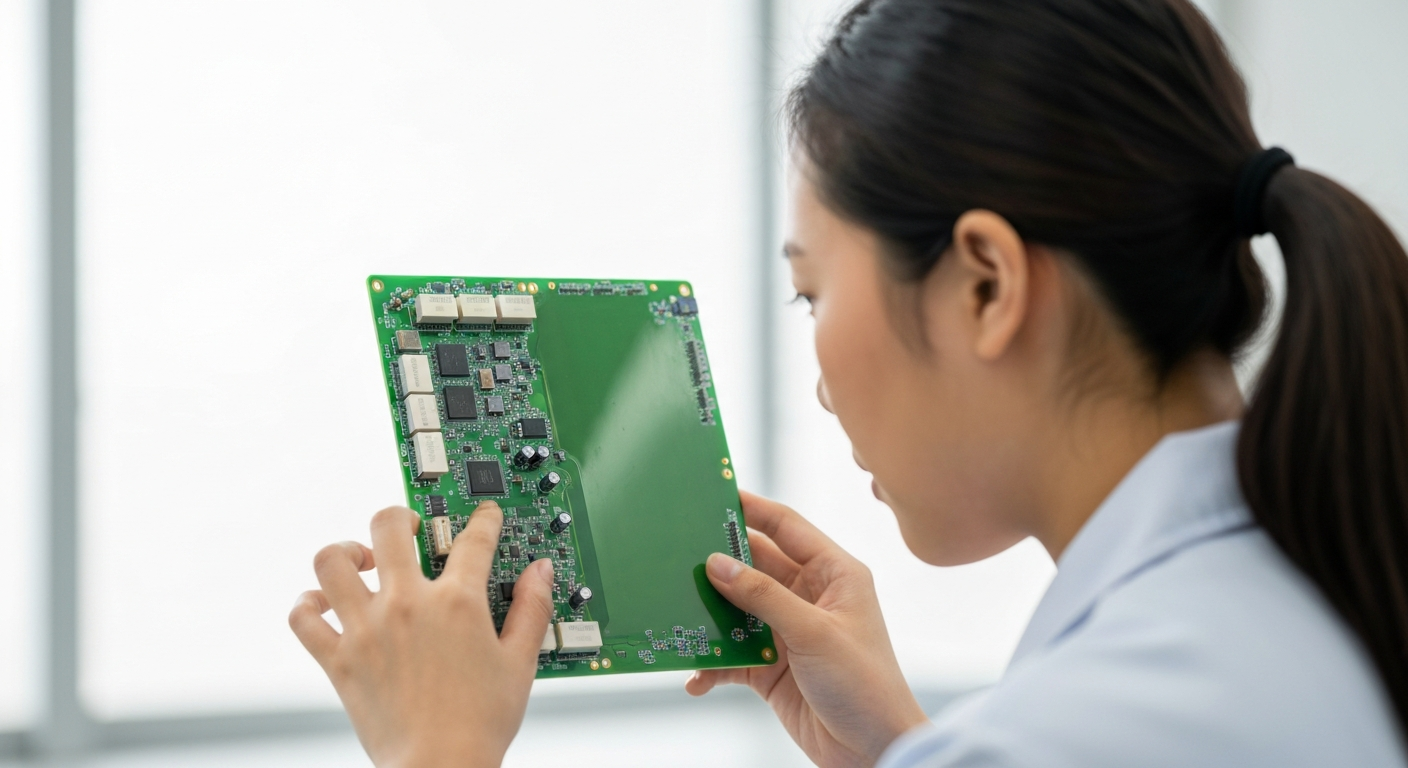 When you want to guard the circuit board in your electronic devices, you usually think about two main choices. You can use conformal coating or potting. Both of these ways help shield the parts from bad things around them, but they do this in different ways. Potting covers the board in a thick block. Conformal coating covers it with a thin layer that fits the shape.
Choosing the right choice depends on what your product needs. Will your device have to handle hits, lots of water, or not much space? Let’s look at what each way is and find out what it does best. This will help you know what to pick for your circuit board when you think about the environmental conditions around your electronic devices.
Definition and Purpose of PCB Potting
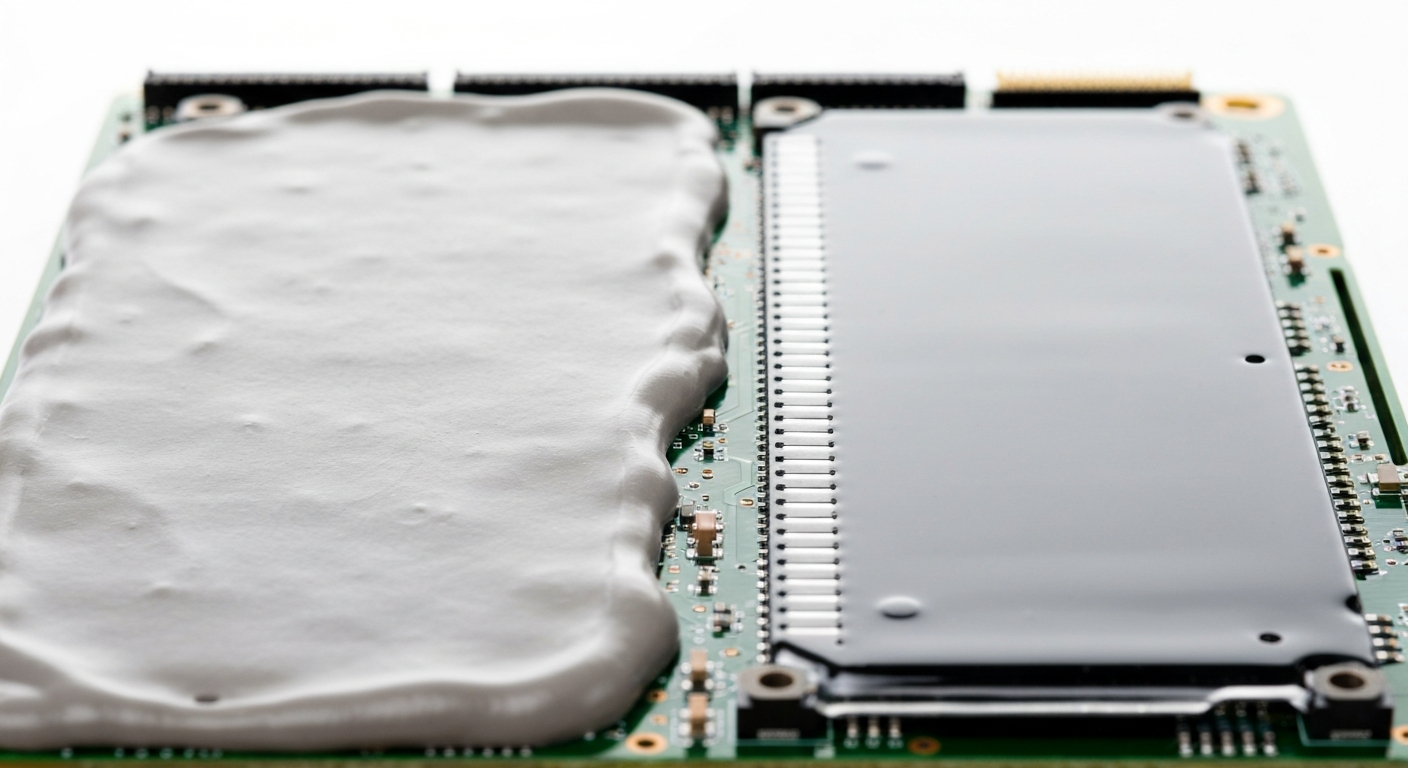
PCB potting is also called embedment. In this process, a whole circuit board is put inside a container, or “pot.” After that, you fill the pot with a liquid potting compound, like epoxy or silicone. This liquid covers all the electronic components on the board. When the liquid dries and hardens, it turns into a solid block around the board.
The main reason for pcb potting is to give strong protection to sensitive components. The solid case helps the board handle mechanical stress, shocks, impact, and dangerous chemicals. It also does a good job of providing electrical insulation.
You should use potting if your circuit board needs to face rough treatment or tough environmental hazards. Potting will also hide the electronic components, which makes it harder for someone to figure out how the board is made. The pot and the hardened compound stay with the product and become part of the final product.
Definition and Purpose of Conformal Coating
A conformal coating is a thin film that goes right on the surface of a circuit board. As you can guess from its name, the coating fits the board and its parts. It forms a shield to protect, but it does not add much weight or thickness. The coating process may use spraying, dipping, or brushing to put the material on the board.
The main goal of using a conformal coating is to keep the circuit board safe from things like moisture, dust, salt spray, or corrosion. This is one place where the coating is a good choice for small electronics. It works well for mobile devices or any device where the space is tight. With little change to its size or weight, the board can stay safe in a small area. Conformal coating also helps increase dielectric strength between the conductors.
But there are some downsides. This coating gives less protection against mechanical stress, like strong hits or wear, when compared to potting. While it becomes a part of the final product, it is thin, so it works best against water, dust, and simple daily problems—not so much against heavy force or scraping.
Materials Used in Potting and Conformal Coating
How well potting and conformal coating work depends a lot on the materials you use. The kind of potting compound or coating material you pick will decide what your PCB can handle. It can help your board stand up to things like heat, chemicals, or even physical shock.
Every potting material and coating resin gives its own good points and weak spots. It’s important to know about these materials before you decide which way to go for protection. Next, we will check out the common compounds for potting and also the main materials for conformal coating.
Common Potting Compounds for PCBs
When you need to pot a PCB, there are a few main types of potting compound to pick from. The most common ones are epoxy resin, polyurethane resin, and silicone resin. Each type gives you a different mix of protection, how much it flexes, and price.
Epoxy resin stands out for its extreme hardness. It has strong chemical resistance and sticks well, so it works great in areas with lots of moisture or where there are chemicals. Polyurethane resin also does well with moisture and chemicals, but it is more flexible than epoxy resin. Silicone resin is better when you need the potting compound to deal with high heat. It is also good at cutting down on vibration.
All of these materials have strong dielectric properties. You can also use them to help with heat dissipation. If you think your application will see a lot of moisture, has to deal with chemicals, or might face physical stress, a potting compound usually makes a stronger barrier than a thin conformal coating.
Popular Conformal Coating Materials
Conformal coatings are found in different types. The main ones are acrylic resin, silicone coatings, polyurethane, and epoxy coatings. Acrylic resin coatings are cheap and easy to use. You can fix them fast. They give good overall protection, but not much resistance to strong cleaners or high heat.
Silicone coatings are very bendy. They offer excellent protection even at high temperatures, up to 200°C. This makes silicone coatings a great choice for car electronics or devices that get cleaned many times with high heat. Epoxy coatings are hard and last a long time. They keep out water and fight off scratches, but they are hard to fix if there’s a problem.
Some new materials have a quick uv cure. This means they dry fast, so the manufacturing process goes quicker. You have to pick a conformal coating based on how much protection, bend, and repair your project must have.
Comparing PCB Potting and Conformal Coating
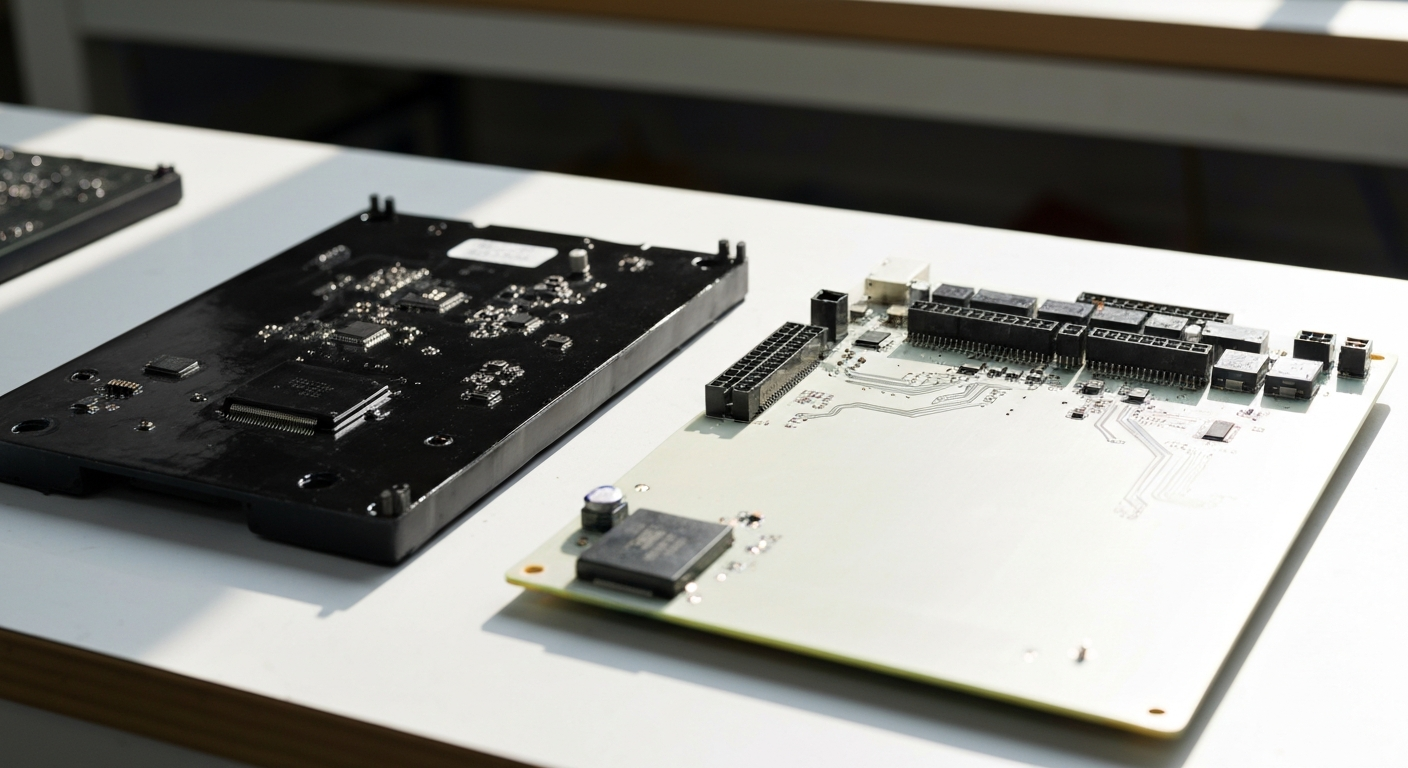 Now that we know the basics, let’s compare PCB potting and conformal coating. The right choice for your project will depend on the types of environmental hazards you need to deal with. PCB potting is often best if you need to use it in harsh environments, like when there is a lot of high abrasion, or when you want strong impact resistance or chemical resistance.
On the other hand, conformal coating gives excellent protection against things like moisture and corrosion. It does this without the extra weight or bulk. So, it’s not always about which one is better, but about what your specific needs are. You should think about whether you need to handle high abrasion, strong impact resistance, or if you want something that can fit into a small space. Now, let’s go through the main differences and see how each one will work for you.
Key Differences and Similarities
Both potting and conformal coating aim to protect PCBs by creating a physical barrier against environmental threats. They both use organic polymers and increase the electrical performance of the board. However, their differences in application and physical form are significant.
The potting method of application involves filling a case with a liquid potting compound, creating a thick block. In contrast, the coating process applies a very thin layer. This difference in coating thickness directly impacts weight, repairability, and the level of physical protection. One of the biggest distinctions is maintenance; removing a potting compound often destroys the board, making repairs nearly impossible. Conformal coatings, especially acrylics, are much easier to remove for rework.
| Feature | PCB Potting | Conformal Coating |
|---|---|---|
| Thickness | Very thick (forms a block) | Very thin (conforms to surface) |
| Weight | Adds significant weight | Adds minimal weight |
| Impact Protection | Excellent | Minimal to fair |
| Repairability | Extremely difficult to impossible | Relatively easy, varies by material |
| Application | Poured into an enclosure | Sprayed, dipped, or brushed |
Impact on Performance and Longevity
Your choice between potting and conformal coating will change how your product works and how long it will last. Potting gives the best shield when you need to protect your device from strong mechanical stress or extreme temperatures. This tough cover helps devices last longer, especially in places like factories, cars, or outside, where things often get damaged.
But, conformal coating is the best when it comes to small and lightweight electronics. It gives strong electrical insulation and high dielectric properties. With conformal coating, you can design boards that are smaller and packed more closely together, and you do not add any extra weight or stress. This is important for things like handheld gadgets, wearables, and medical tools.
When you choose, think about where you will use the product, the weight and size you need, the chance of any physical damage, and if you will have to fix the board later. If you balance these things, you can pick the best option to help your product work well for a long time.
Selecting the Right Method for Your PCB Application
You have to make an informed decision when you choose between potting and conformal coating. Look at the specific needs of your project before you pick one. The aim is to give the right protection. You do not want to overdo the solution or spend more money than needed. Potting costs more because you use more material and it has more steps during work.
Think about factors like how much you will make, how fast you need to finish, and the kind of conditions the device faces. Will the device be a simple electronic item for people to use at home that needs some safety from water? Or is it a sensor for a factory that must handle a lot of strong movement? Let’s look at these important points so you can make the best choice for your project’s needs.
Important Factors in Decision-Making
Choosing the right protection mainly depends on a few important things. In harsh environments, where there is a lot of physical shock, vibration, or chemicals, potting gives better safety because it is thick and hard. But for most consumer products and medical devices, a conformal coating is often good enough to protect the parts.
You also need to think about your manufacturing process. Potting can move fast on assembly lines if you have large amounts to make. But it adds more weight and makes it harder to check things inside. Conformal coating is lighter and lets you easily look at the parts for inspection. When it comes to cost, potting is usually more expensive. This is because it uses more materials and labor, which affects your turnaround time as well.
Here are the most important factors you should think about:
- Environmental Factors: Will the device have to stand up to moisture, chemicals, salt spray, or extreme temperatures?
- Mechanical Stress: Do you need strong protection from impact, rubbing, or vibration?
- Physical Constraints: Are there rules for how much weight or space your product can use?
- Rework and Repair: Will you need to get back into the parts for a fix in the future?
- Cost and Volume: Think about the price for material, labor, and also how quickly you can finish your production at the size you need.
Frequently Asked Questions
What are the key differences between PCB potting and conformal coating?
The main difference is in how thick the layer is and how you use it. PCB potting covers the whole printed circuit board in a thick block made of potting material. This gives the most protection for the circuit board. Conformal coating is much thinner and lighter. It covers the board closely without much extra weight. It helps keep water and dirty stuff away from the board, but it does not make it thick or heavy.
In what situations is PCB potting more beneficial than conformal coating?
PCB potting is helpful in harsh environments. Devices in these places often deal with heavy impact, vibration, or tough chemicals. PCB potting is thick and stays solid. It gives good protection to sensitive components against strong environmental conditions. It also has better chemical resistance than most regular coatings.
How do environmental factors influence the choice between potting and conformal coating?
Environmental factors really matter. If there are extreme temperatures, a lot of water, or the need for strong chemical resistance, PCB potting is usually a better pick. But when you have only some humidity, dust, or need simple protection from corrosion, conformal coating is the more efficient and cost-saving choice. It also doesn’t add much weight or take up extra space.
What are the cost implications of using PCB potting versus conformal coating for electronics protection?
PCB potting often costs more money. It needs more material and the process may need an extra housing, which people call the “pot”. The manufacturing process steps can also be more complex with pcb potting. Conformal coating is usually a better choice when you want to save money, especially when making a lot of electronic devices. This is because it uses less material and the work to put it on is faster.
Conclusion
To sum up, picking between pcb potting and conformal coating comes down to what you need for your job. Both give strong benefits and face their own challenges. PCB potting gives good protection from environmental factors. Conformal coating is more flexible and lets you fix things more easily. If you know the main differences and look at the materials, performance, and how long each will last, you can make an informed decision for your needs. If you need help, contact our team. We are ready to help you choose the right solution for your pcb protection. Get in touch today!
ANZER is your reliable partner for innovative PCB Assembly and Electronics Manufacturing Services in Ohio, USA. You’re developing a prototype, scaling up to mass production, or requiring specialized assembly—we’re here to deliver precision-crafted, cost-effective solutions. With latest technology and years of expertise, we guarantee products that exceed expectations every time.